

 0
0
 0
0
Event security is a crucial aspect of organizing any gathering, ensuring the safety of attendees, performers, and staff. Whether you’re planning a small corporate event, a music festival, or a large-scale conference, effective security measures are paramount to its success. This guide explores everything you need to know about event security, from planning and preparation to execution and post-event evaluation.
Table of Contents
- Why is Event Security Important?
- Key Elements of Security
- Conclusion
Why is Event Security Important?
Effective event security not only safeguards attendees but also protects the reputation of organizers and sponsors. It enhances guest experience, minimizes risks, and ensures compliance with legal and insurance requirements.
Key Elements of Security
Risk Assessment and Planning
Conducting a thorough risk assessment prior to any event is crucial for identifying potential threats and vulnerabilities. These assessments should encompass a range of factors including unauthorized access points, crowd dynamics, potential medical emergencies, and other safety concerns. Based on these findings, a comprehensive security plan should be developed, taking into account the layout of the venue, expected attendance numbers, and the specific activities planned for the event. This proactive approach helps in preemptively addressing security challenges and ensuring a safe environment for all participants.
Access Control
Efficient management of access points is fundamental to maintaining security during events. Controlled access helps regulate the flow of attendees and prevents unauthorized individuals from entering restricted areas. Utilizing physical barriers, rigorous ID checks and ticket scanning systems are effective methods to enforce access control measures. By implementing these strategies, organizers can minimize the risk of disruptions and enhance overall safety protocols throughout the event duration.
Security Personnel
The deployment of trained security personnel is essential for maintaining order and responding swiftly to any potential incidents. These personnel should be equipped to handle various scenarios, ranging from crowd management to emergency response. Collaborating with local law enforcement agencies can provide additional support and expertise, ensuring a coordinated effort to manage security challenges effectively throughout the event.
Technology and Surveillance
Leveraging technology-driven solutions such as CCTV cameras, metal detectors, and communication systems enhances the overall security framework of an event. These tools enable real-time monitoring of key areas, detection of suspicious activities, and prompt response to potential threats. Integrating such technologies into the security plan enhances situational awareness and facilitates proactive measures to mitigate risks as they arise.
Emergency Response Plans
Developing comprehensive emergency response plans is critical to preparedness and effective crisis management during events. These plans should outline clear procedures for evacuations, handling medical emergencies, responding to natural disasters, and managing security breaches. Regular drills and training sessions ensure that all staff members are familiar with their roles and responsibilities in various emergency scenarios, thereby enhancing overall readiness and minimizing potential harm.
Crowd Management
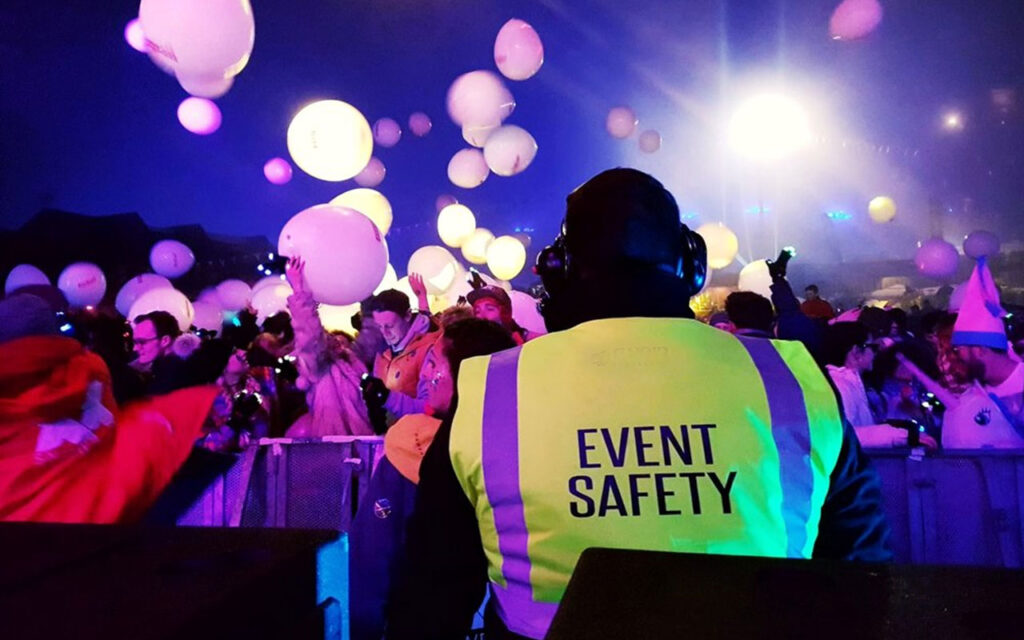
Effective crowd management strategies are indispensable for ensuring the safety and comfort of attendees. Utilizing signage, designated pathways, and trained personnel helps guide the flow of crowds, minimizing congestion, and reducing the risk of accidents or incidents. By implementing proactive crowd control measures, event organizers can create a secure environment that facilitates a positive experience for participants while mitigating potential risks associated with large gatherings.
Communication and Coordination
Establishing robust communication channels among security personnel, event organizers, and emergency services is vital for facilitating swift responses and coordinated actions during critical situations. Using radios, mobile phones, or dedicated communication apps ensures real-time information exchange and effective decision-making. Clear communication protocols enable seamless coordination of efforts, enhancing overall security measures and response capabilities throughout the event duration.
Frequently Asked Questions (FAQs)
Q1: Why is event security important for large gatherings?
A: Event security is essential for maintaining order, preventing unauthorized access, and ensuring the safety of guests, staff, and property. Professional event security services help identify potential risks and manage emergencies effectively during large gatherings.
Q2: How early should event organizers start planning their event security strategy?
It’s best to start event security planning at least two to three months in advance. This allows time for risk assessment, coordination with event security companies, and implementing safety measures that align with the event’s scale and location.
Q3: What type of event security services are typically offered by professionals?
Reputable event security companies provide a range of services, including crowd control, access management, VIP protection, emergency response, and event guard security personnel to maintain on-site safety.
Q4: How can event organizers balance guest experience with strong security measures?
The key is to design a security plan that is both visible and guest-friendly. Professional events security teams use discreet surveillance, efficient check-ins, and clear communication to keep attendees safe without disrupting the event atmosphere.
Q5: What are the benefits of hiring licensed event guard security personnel?
Licensed event guard security professionals are trained to handle emergencies, de-escalate conflicts, and ensure compliance with local safety regulations. Their presence reassures guests and enhances the overall security of any event.
Conclusion
In conclusion, prioritizing event security is fundamental to hosting successful and safe events of any scale. By conducting thorough risk assessments, implementing robust security measures, and preparing for emergencies, organizers can create an environment where attendees feel safe and can enjoy the event experience fully. Remember, proactive planning and effective communication among all stakeholders are key to mitigating risks and ensuring a memorable event for all the right reasons.