

 0
 0
Modern data centers are evolving rapidly as businesses demand higher computing power, faster processing, and increased scalability. With this growth comes a major challenge—heat generation. This is where the data center CDU becomes a crucial component in ensuring operational success. High-density environments, particularly those running advanced computing workloads such as AI and cloud infrastructure, generate significant thermal loads that traditional cooling methods struggle to manage efficiently.
Table of Contents
- Understanding CDU Technology in Data Centers
- Why Liquid Cooling Is the Future?
- Role of CDU Units in Data Center Thermal Management
- Advanced Features of Modern CDU Systems
- Enhancing Efficiency with Liquid Cooling Performance Modules
- Energy Efficiency and Sustainability
- Reliability and Operational Stability
- Choosing the Right CDU Solution
- Implementation Best Practices
- Future Trends in Data Center Cooling
- How CoolIT Systems Supports Advanced Cooling
- Conclusion
Understanding CDU Technology in Data Centers
A coolant distribution unit is a specialized system designed to regulate and distribute coolant to servers and IT equipment. It serves as the central hub of a liquid-cooling infrastructure, ensuring consistent temperature control and efficient heat removal. They circulate coolant directly to high-performance components, minimizing hotspots and enhancing overall system stability.
Key Functions of a Cooling Distribution Unit
- Regulates coolant flow and temperature
- Monitors system pressure and performance
- Ensures consistent heat transfer across components
- Integrates with advanced monitoring tools
The Rise of High-Density Data Centers
The shift toward high-density computing is driven by emerging technologies such as artificial intelligence, machine learning, and big data analytics. These workloads require powerful processors that generate significantly more heat than traditional systems.
- Increased thermal output per rack
- Limited airflow efficiency
- Higher energy consumption
- Risk of hardware failure due to overheating
Why Liquid Cooling Is the Future?
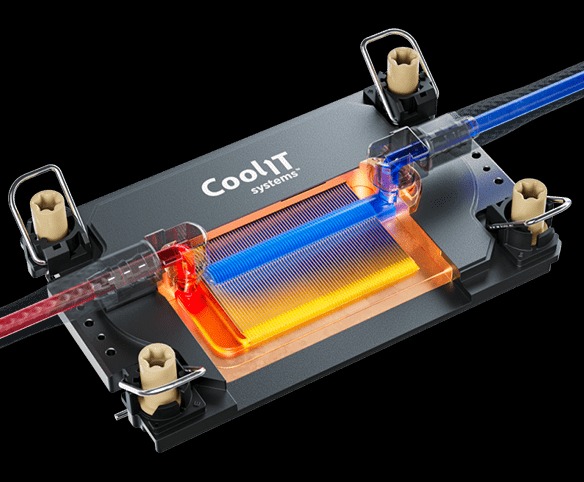
Air cooling has long been the standard, but it is no longer sufficient for modern workloads. Liquid cooling offers superior heat transfer capabilities, making it the preferred solution for high-density environments. A CDU units ensure that liquid cooling systems operate effectively by managing coolant flow and maintaining optimal temperatures.
Benefits of Liquid Cooling
- Higher heat removal efficiency
- Reduced energy consumption
- Improved equipment lifespan
- Enhanced performance stability
By integrating CDU units, data centers can fully leverage these benefits.
Role of CDU Units in Data Center Thermal Management
CDU units serve as the backbone of liquid cooling systems, enabling precise control over temperature and coolant distribution. Effective data center thermal management is essential for maintaining performance and preventing downtime.
How CDU Units Enhance Thermal Management
- Deliver consistent cooling to high-density racks
- Reduce thermal fluctuations
- Optimize energy usage
- Support scalable infrastructure growth
These capabilities make them a critical component in modern data center design.
Advanced Features of Modern CDU Systems
Today’s CDU units are equipped with sophisticated technologies that go beyond basic cooling functions. They integrate seamlessly with coolant control and monitoring systems, providing real-time insights into performance and efficiency.
Key Features
- Real-Time Monitoring: Modern CDU systems continuously track temperature, pressure, and coolant flow rates to ensure optimal performance. This real-time data helps operators quickly identify issues and make informed decisions to efficiently manage cooling.
- Automated Controls: Automation in CDU units allows the system to adjust cooling parameters without manual intervention. This reduces human error, improves efficiency, and ensures consistent performance even under varying workloads across Canada.
- Integration Capabilities: CDUs can seamlessly connect with broader data center management platforms for centralized control. This integration enhances visibility, simplifies operations, and enables better coordination across the entire cooling infrastructure.
Enhancing Efficiency with Liquid Cooling Performance Modules
The integration of liquid cooling performance modules further enhances the effectiveness of CDU units. These modules optimize heat transfer and ensure uniform cooling across all components. When combined with CDU units, these modules create a highly efficient cooling ecosystem.
Benefits of Performance Modules
- Improved cooling efficiency
- Reduced energy costs
- Enhanced system reliability
- Scalable cooling solutions
Energy Efficiency and Sustainability
Energy consumption is a major concern for data centers. Cooling systems account for a significant portion of total energy usage. A well-designed cooling distribution unit not only improves performance but also contributes to environmental sustainability. By adopting CDU units, organizations can achieve substantial energy savings.
Sustainability Advantages
- Lower carbon footprint
- Reduced power consumption
- Efficient resource utilization
- Support for green data center initiatives
Reliability and Operational Stability
Downtime in data centers can lead to significant financial losses and reputational damage. CDU units enhance reliability by maintaining consistent temperatures and preventing overheating. These factors make a data center CDU an essential investment for mission-critical environments.
Key Reliability Benefits
- Minimized risk of hardware failure
- Stable operating conditions
- Reduced maintenance requirements
- Improved system uptime
Choosing the Right CDU Solution
Selecting the right CDU units is crucial for maximizing performance and efficiency. Organizations should consider several factors when making their decision. As data demands continue to grow, data centers must be prepared to scale. CDU units offer the flexibility needed to support expanding infrastructure.
Factors to Consider
- Cooling capacity requirements
- Compatibility with existing systems
- Monitoring and control capabilities
- Energy efficiency ratings
Scalability Features
- Modular design for easy expansion
- Compatibility with various cooling technologies
- Support for increasing workloads
- Adaptability to new hardware
Implementation Best Practices
To fully benefit from CDU technology, proper implementation is essential for achieving long-term efficiency and reliability in high-density data centers.
System Design
A well-planned cooling infrastructure ensures that the CDUs integrate seamlessly with existing systems. Proper design helps balance coolant flow, prevent hotspots, and support future scalability without performance issues.
Regular Maintenance
Routine inspections and servicing are crucial to keep CDU units operating efficiently. Regular maintenance helps detect minor issues early, reduces the risk of failures, and extends the lifespan of the entire cooling system.
Monitoring and Optimization
Using advanced monitoring tools allows real-time tracking of temperature, pressure, and flow rates. Continuous optimization ensures the system adapts to changing workloads and maintains peak performance at all times.
Future Trends in Data Center Cooling
The future of data center cooling is focused on innovation and efficiency. Emerging technologies are driving new advancements in CDU systems.
Key Trends
- Increased adoption of liquid cooling
- Integration with AI-driven monitoring systems
- Development of more efficient coolant solutions
- Enhanced modular designs
How CoolIT Systems Supports Advanced Cooling
Cooling systems are at the forefront of liquid cooling innovation, providing advanced solutions tailored for high-density environments. Their expertise in CDU technology ensures optimal performance, efficiency, and reliability. By leveraging cutting-edge designs and integrating advanced monitoring capabilities, CoolIT Systems helps organizations achieve superior cooling outcomes.
Conclusion
A coolant distribution unit is no longer optional in high-density data centers—it is essential. It ensures efficient heat management, enhances performance, and supports scalability. With growing demands for computing power, advanced cooling solutions are critical. Investing in CDU units enables long-term reliability and energy efficiency. Adopting this technology positions data centers for future success.
FAQs
What is a data center CDU, and why is it important?
A data center CDU is a system that manages and distributes coolant within liquid cooling setups. It plays a vital role in removing heat efficiently and maintaining stable temperatures in high-density environments.
How do CDU units improve energy efficiency?
CDU units enable precise liquid cooling, which transfers heat more effectively than air. This reduces overall energy consumption and lowers operational costs in modern data centers.
Can CDU systems be integrated with existing infrastructure?
Yes, most CDU units are designed for easy integration with existing data center setups. Their modular design allows seamless upgrades without major disruptions.
What role do coolant control and monitoring systems play?
These systems track key parameters like temperature, pressure, and flow rates in real time. They help ensure optimal performance and allow quick response to any cooling issues.
Are liquid cooling performance modules necessary?
They are not mandatory but greatly enhance cooling efficiency and reliability. When combined with CDU units, they ensure consistent performance in high-demand environments.